Water, Sanitation and Hygiene (WaSH)
Community infrastructure designed and implemented in partnership with families and communities to improve public health, reduce sanitary risks and ensure access to safe water.
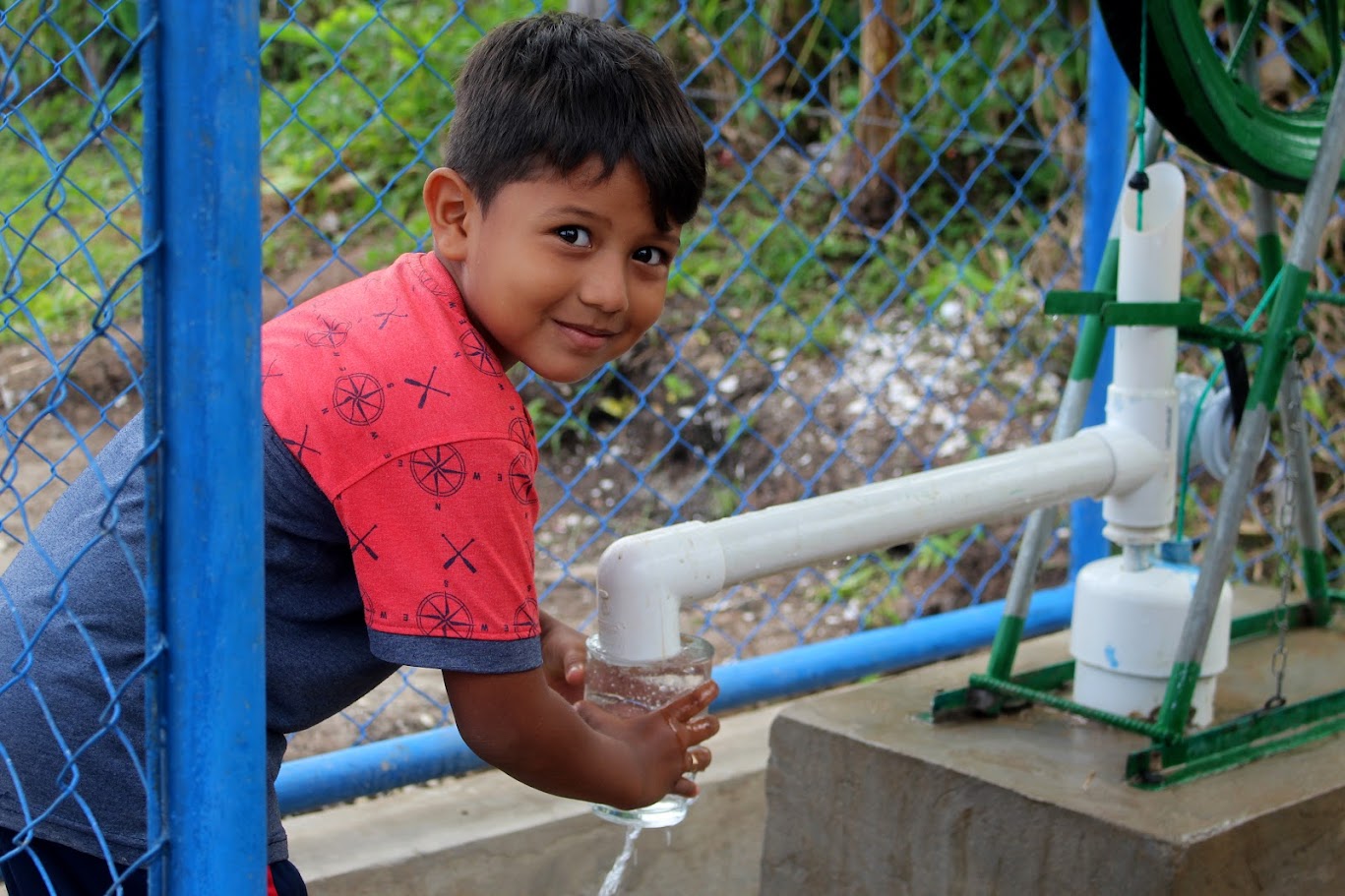
blueEnergy Nicaragua was a non-profit organisation that operated since 2004 in the city of Bluefields, in the South Caribbean Coast Autonomous Region (RACCS).
For more than two decades, it developed and implemented integrated solutions alongside vulnerable and hard-to-reach communities, adapting each intervention to the social, environmental and cultural context of the territory.
Throughout its trajectory, its work was structured around five interconnected strategic pillars:
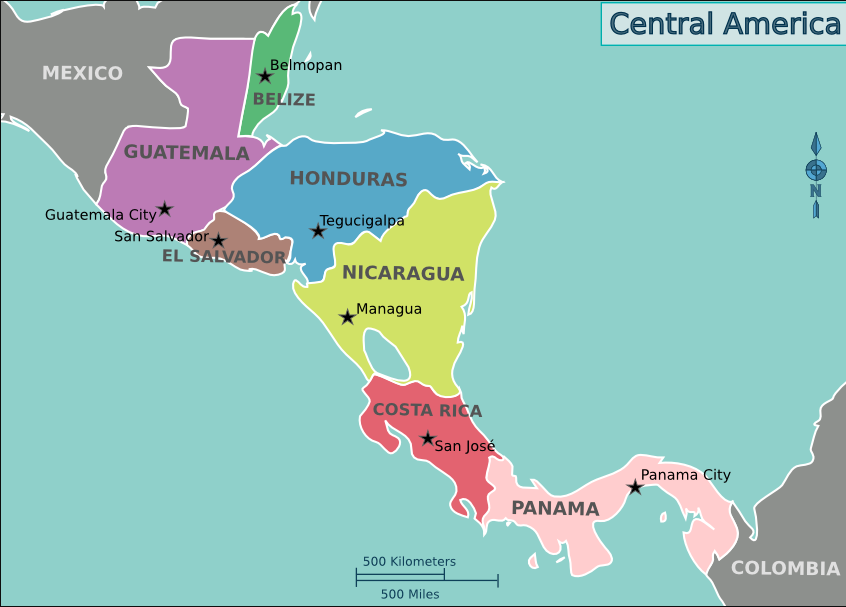
Community infrastructure designed and implemented in partnership with families and communities to improve public health, reduce sanitary risks and ensure access to safe water.
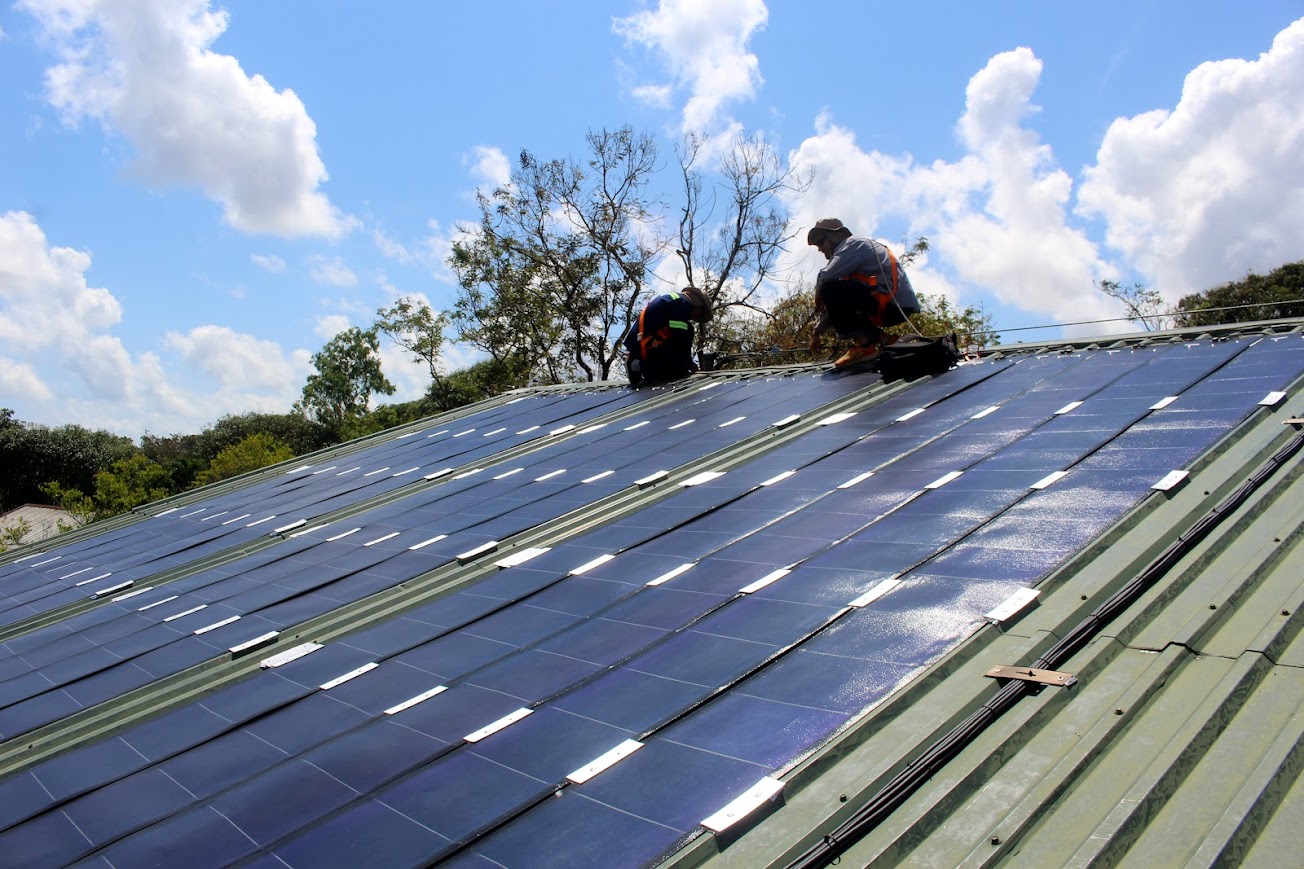
Deployment of clean energy systems in off-grid communities, strengthening energy autonomy and territorial resilience.
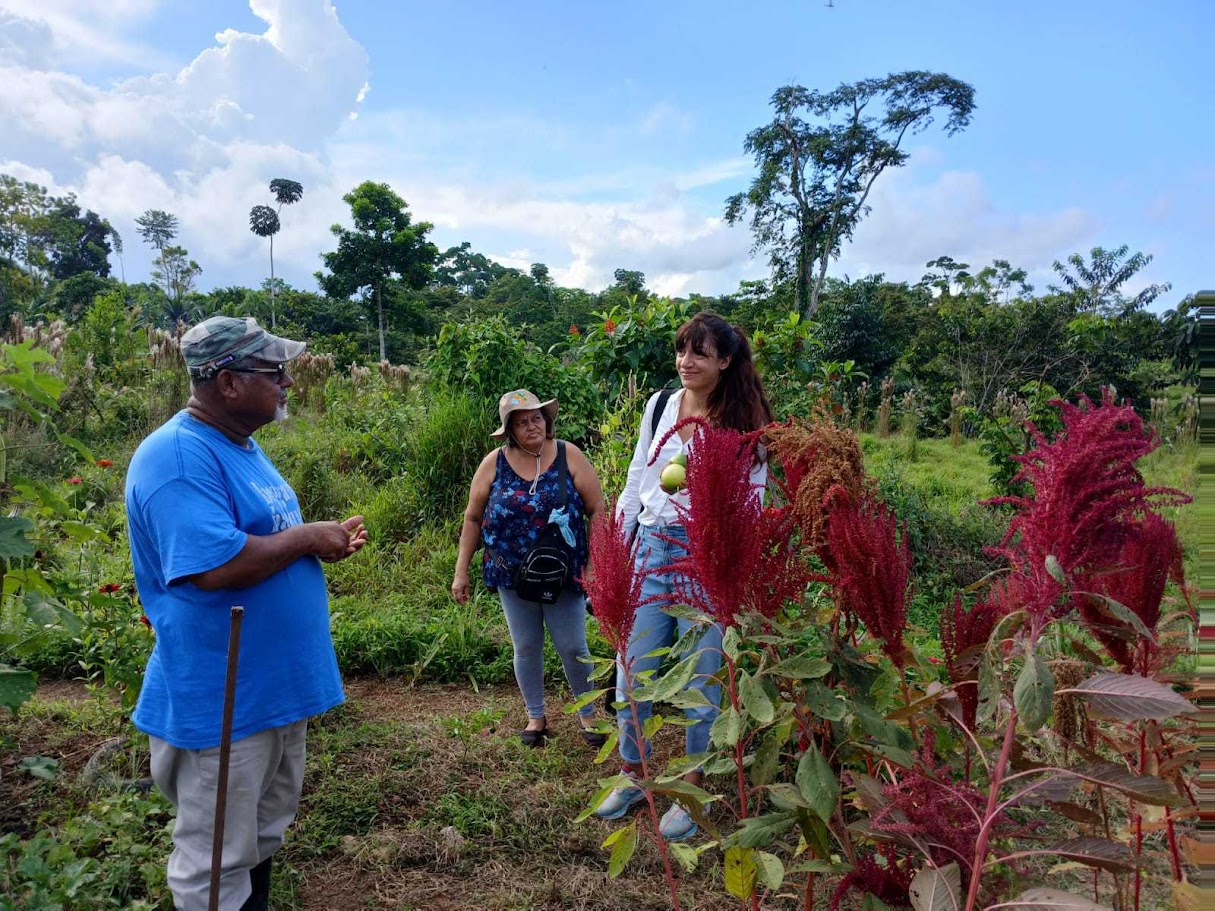
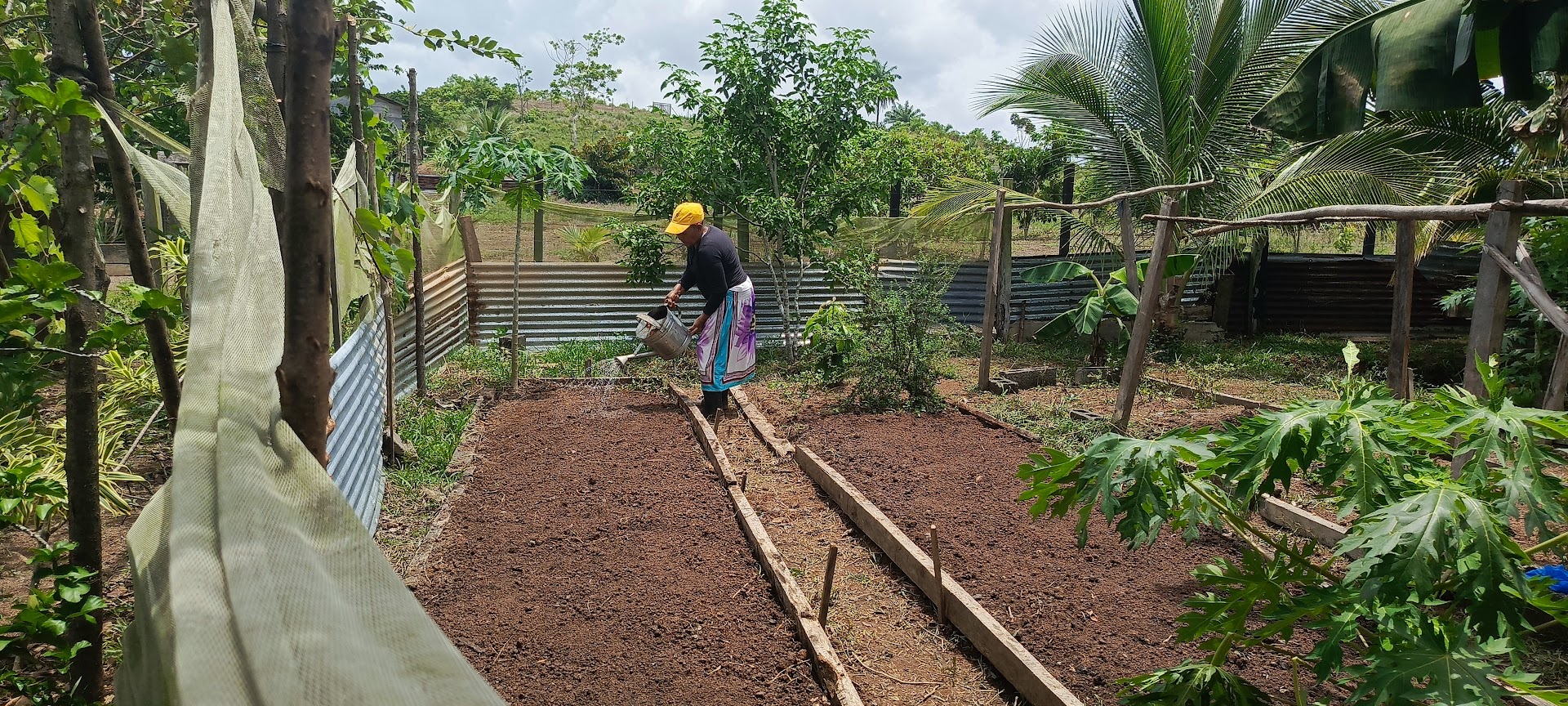
Promotion of agroecological and regenerative practices to improve local food production and strengthen adaptation to climate change.
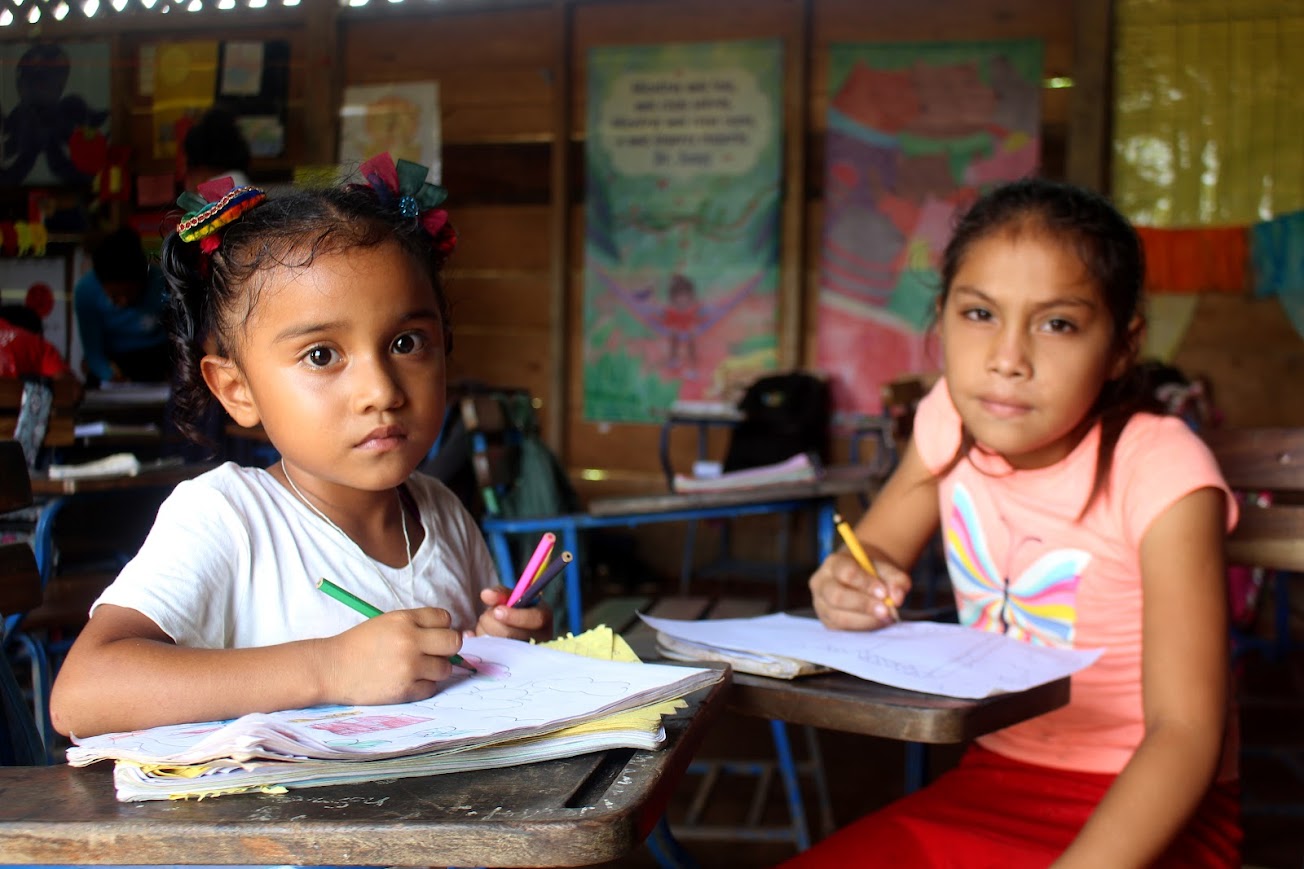
Integration of water, energy, and food production solutions in educational centers, establishing schools as strengthened learning spaces and community hubs for climate resilience.
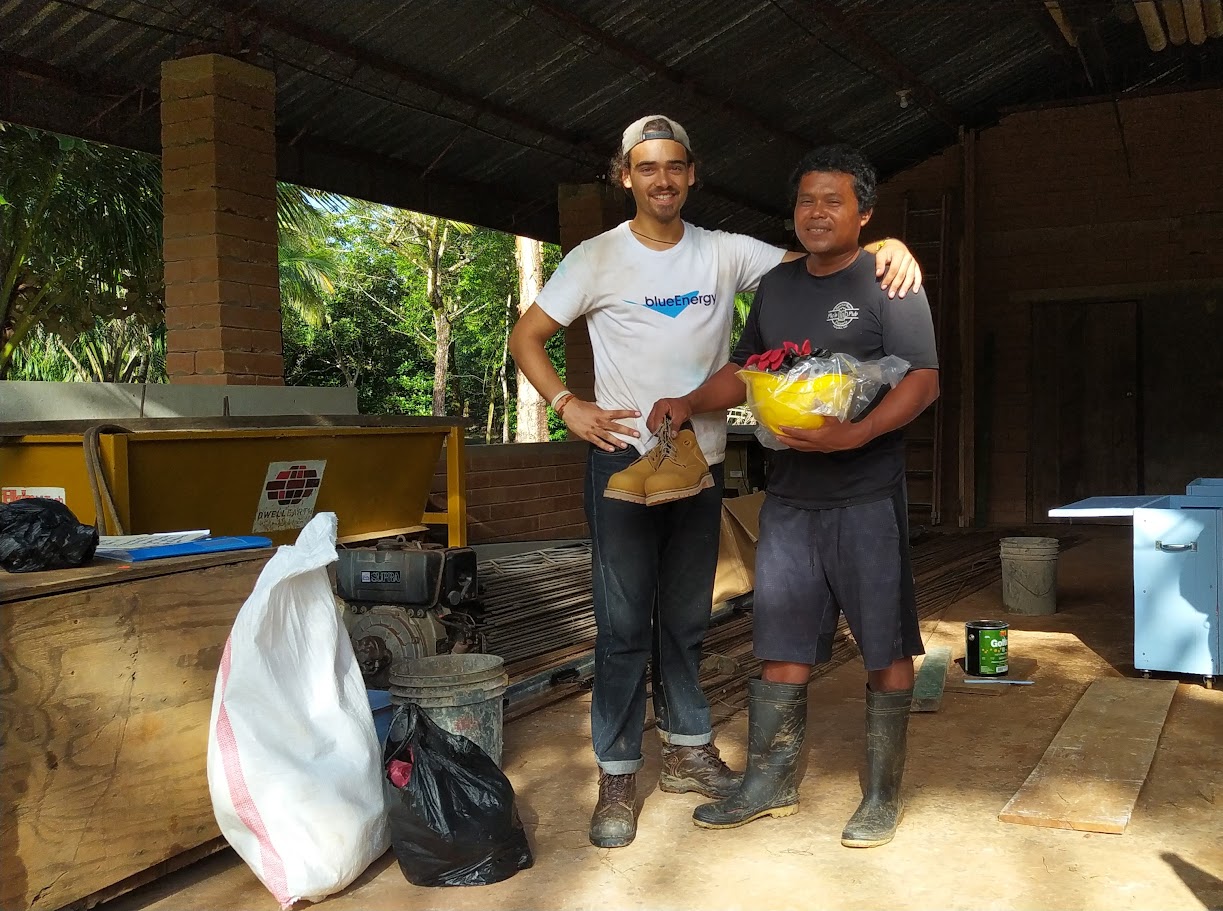
Training processes adapted to the local context to ensure technical sustainability, organisational strength and community leadership.
The South Caribbean Coast Autonomous Region (RACCS) has a historical, cultural and territorial identity deeply distinct from the rest of the country.
It is a vast, low-density territory facing major accessibility challenges: many rural communities can only be reached by river or sea.
The region is home to diverse Indigenous peoples—Miskitu, Rama and Ulwa—as well as Afro-descendant communities—Kriol and Garífuna—under a system of regional autonomy recognised by the Nicaraguan State. This diversity requires intercultural, participatory and territorially adapted approaches.
The Caribbean regions are among the most exposed in the country to hurricanes and tropical storms. Nationally, more than 1.6 million people live in communities classified as high-risk for hurricanes.
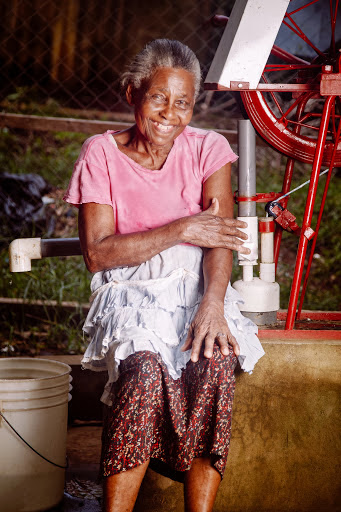
These challenges are compounded by high levels of poverty and isolation. In many rural areas, poverty affects more than 60% of households, with higher incidence among Indigenous and Afro-descendant communities.
Access to basic services remains limited or unstable, including:
Climate change further intensifies these vulnerabilities, affecting agricultural productivity and the stability of community systems.
Climate change further intensifies these vulnerabilities, affecting agricultural productivity and the stability of community systems.
blueEnergy developed a working methodology grounded in one fundamental principle:
Development is not imposed. It is built together with communities.
The intervention approach was structured around four main pillars:
Participatory diagnostics to understand needs, existing capacities and social dynamics within the territory.
Interventions based on the water–energy–food nexus, adapted to the social, environmental and economic context of each community.
Training of community promoters, model families, entrepreneurs and local leaders to ensure long-term technical and organisational sustainability.
Continuous monitoring of projects to measure results, document learning and adjust interventions when needed.
Each project was conceived as a long-term development process, not as a one-off action.
blueEnergy’s work was guided by clear principles of territorial engagement:
Intervention in isolated, hard-to-reach rural communities.
Active inclusion of women, Indigenous peoples and Afro-descendant communities, with particular attention to elderly people and people with disabilities
Building long-term trust and continuous support to community processes
Active community participation in the design, implementation and maintenance of infrastructure.
After more than two decades of work, blueEnergy understood that the impact of its action cannot be measured solely in installed infrastructure.
It is also measured in:
From this reflection, the blueEnergy Capitalisation Platform was born — a dedicated space to organise and analyse the learning built over more than 21 years of work, and to project it towards future intervention contexts and sustainable development initiatives.