blueEnergy · Our solutions

Our Solutions

blueEnergy implements integrated solutions in food security, water and sanitation, and access to renewable energy, combining appropriate technology, local capacity building, and a long-term sustainability approach.

Each intervention responds to specific territorial conditions and seeks to generate measurable results in health, climate resilience, and community autonomy.

Integrated solutions for health, climate resilience, and community autonomy.

Appropriate technology, local capacity building, and long-term sustainability in every intervention.

🌱 Food Security and Agroecology

Sustainable Production and Food Sovereignty

Agroecological solutions adapted to the Nicaraguan Caribbean to strengthen nutrition, productivity, soil health, and resilience of family production systems.

Biointensive Method · Agroecological technique developed and perfected for over 40 years by Ecology Action (California).

Soil Health, Production, and Ecological Balance

blueEnergy's agroecological solutions combine soil management, compost, crop diversity, seed conservation, and local adaptation to strengthen food security from the family production base.

Biointensive Beds
Biointensive Beds
🌿
Biointensive Family Gardens

Adaptation of biointensive and permaculture principles to the local context.

Expected Impact

Improved family nutrition, better water use, soil recovery, and greater food autonomy throughout the year.

🌾
Seed Dryer

Conservation of local seeds and strengthening of food sovereignty.

🌱

Biointensive Method

View details

How it works

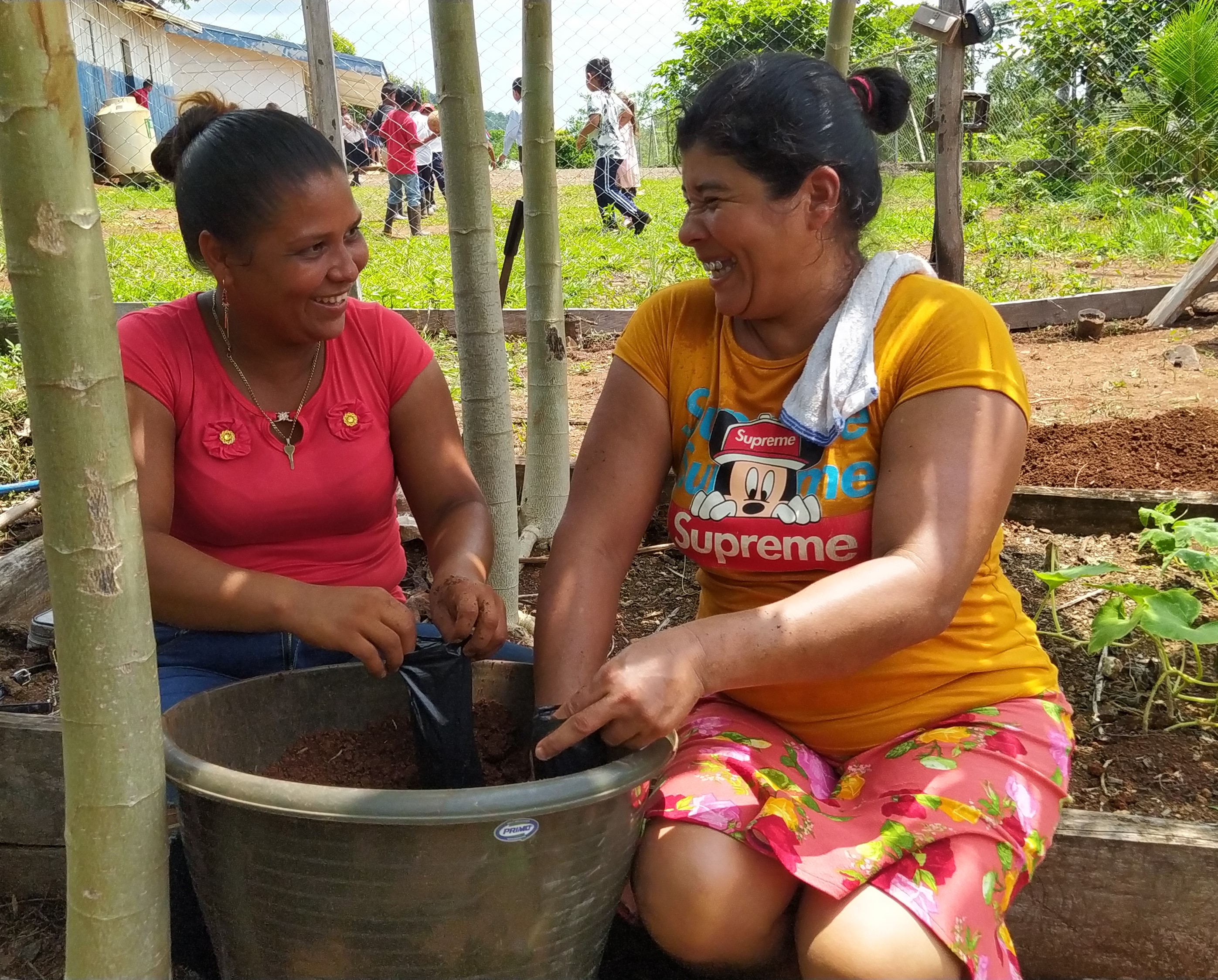
The biointensive method is based on deep soil preparation through double digging, which improves aeration, water retention, and plant root development.

Locally produced compost is incorporated to restore soil fertility. Crops are established in high density under association and rotation schemes.

The system is based on eight agroecological principles prioritizing soil health, productive efficiency, and ecological balance.

Impact

  • Higher productivity in small spaces
  • Recovery of degraded soils
  • Elimination of chemical inputs
  • Sustainable compost production
  • Protection of local biodiversity

View resource
🌿

Biointensive Family Gardens

View details

How it works

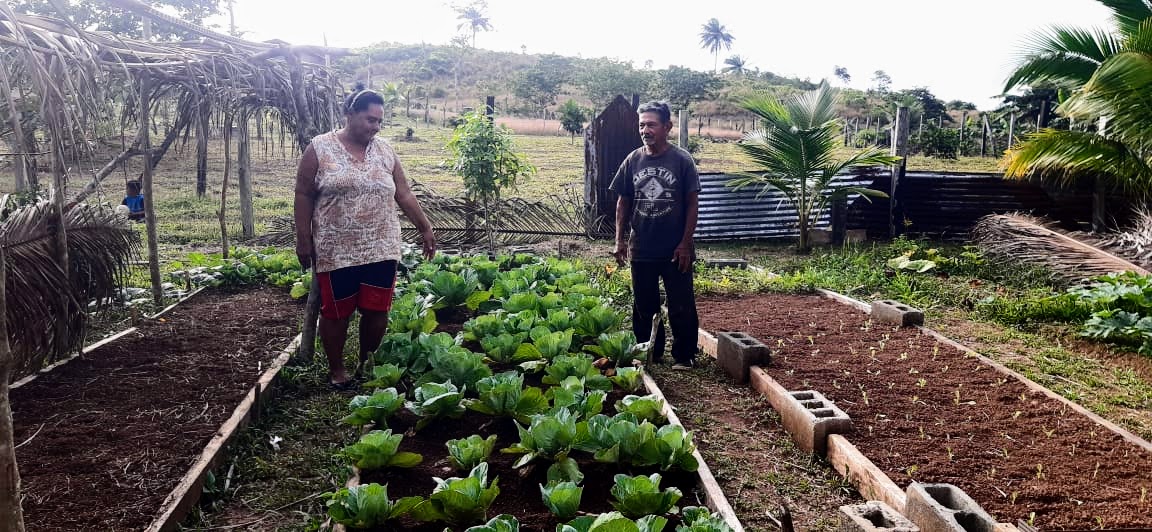
Families design their gardens considering relief, drainage, water flow, and solar exposure. Permanent beds are built to conserve soil structure.

Organic fertilizers and efficient irrigation systems are used. Crop selection responds to criteria of complementarity and local adaptation.

Impact

  • Direct improvement in family nutrition and health
  • Diversified production throughout the year
  • Efficient water use
  • Income generation through surpluses
  • Greater food autonomy
🪴

Biointensive Beds

View details

How it works

Crops are established in raised beds 10 to 15 cm high, separated by paths to avoid soil compaction.

The productive design follows the 60-30-10 rule: 60% calorie crops, 30% high-efficiency roots, 10% nutrient-dense vegetables.

Impact

  • Conservation of soil structure
  • Sustained long-term productivity
  • Compost optimization
  • Complete annual diet production in small spaces
  • Resilient system against intense rains
View resource
🌾

Seed Dryer

View details

How it works

The system allows upward hot air circulation through mesh trays where seeds are placed. This prevents contact with dust, moisture, and insects.

Impact

  • Conservation of local seeds
  • Protection of genetic diversity
  • Reduction of post-harvest losses
  • Strengthening of food sovereignty
💧 Water Access, Sanitation, and Hygiene

Safe Water, Adapted Sanitation, and Community Infrastructure

Solutions combining access, treatment, sanitation, and hygiene to improve public health, reduce risks, and strengthen community sustainability.

solutions.water.wells.title
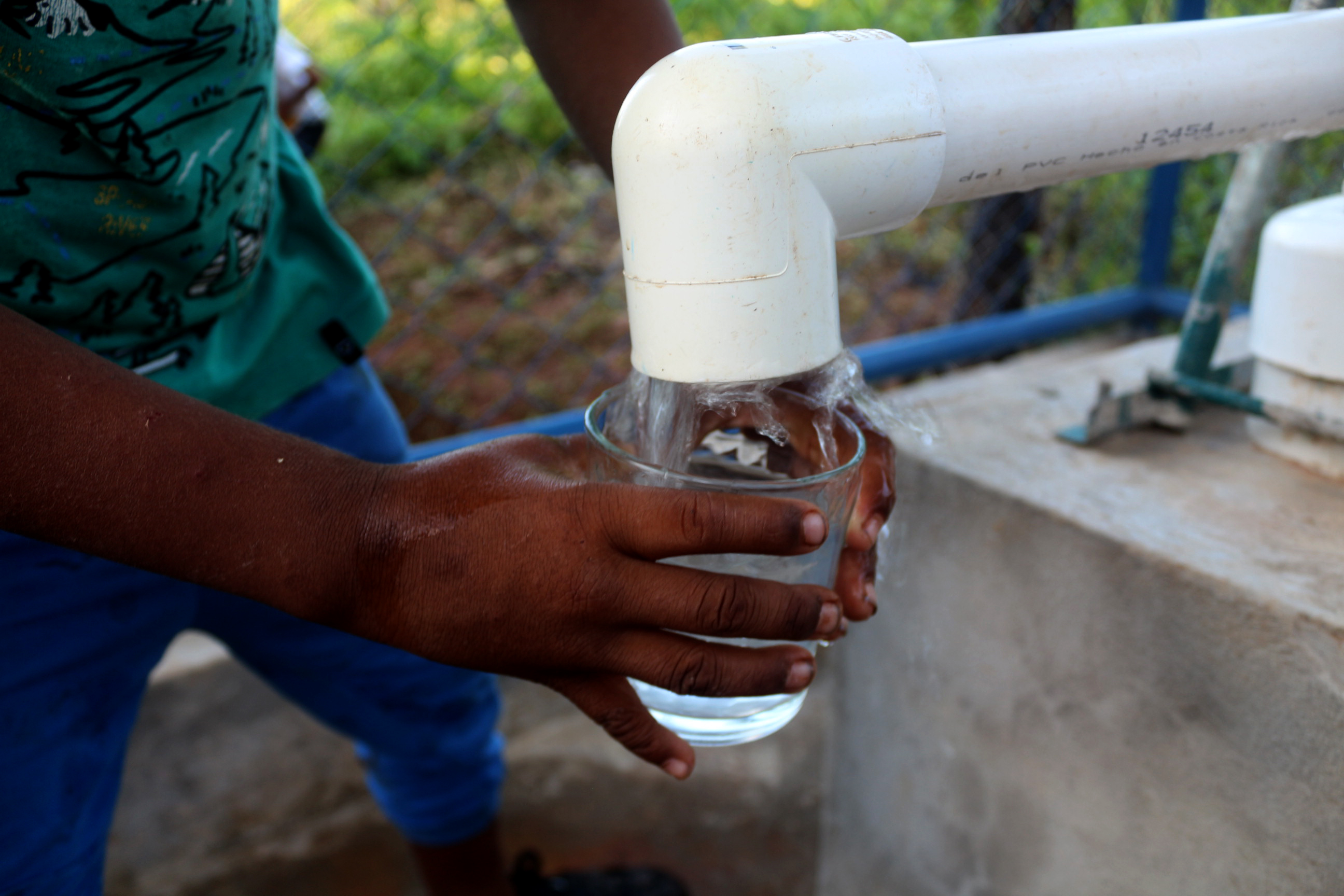
Deep Wells · Community infrastructure for permanent access to safe water.

Public Health and Community Management

These technologies reduce diseases, improve hygiene, decrease the physical burden on families, and strengthen local water and sanitation management.

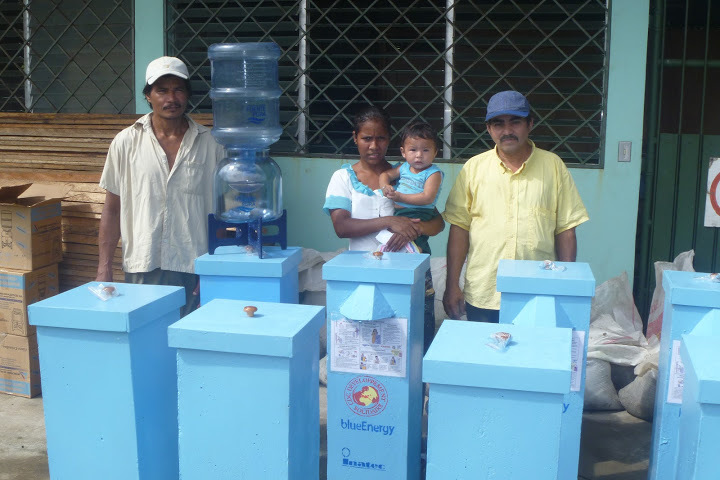
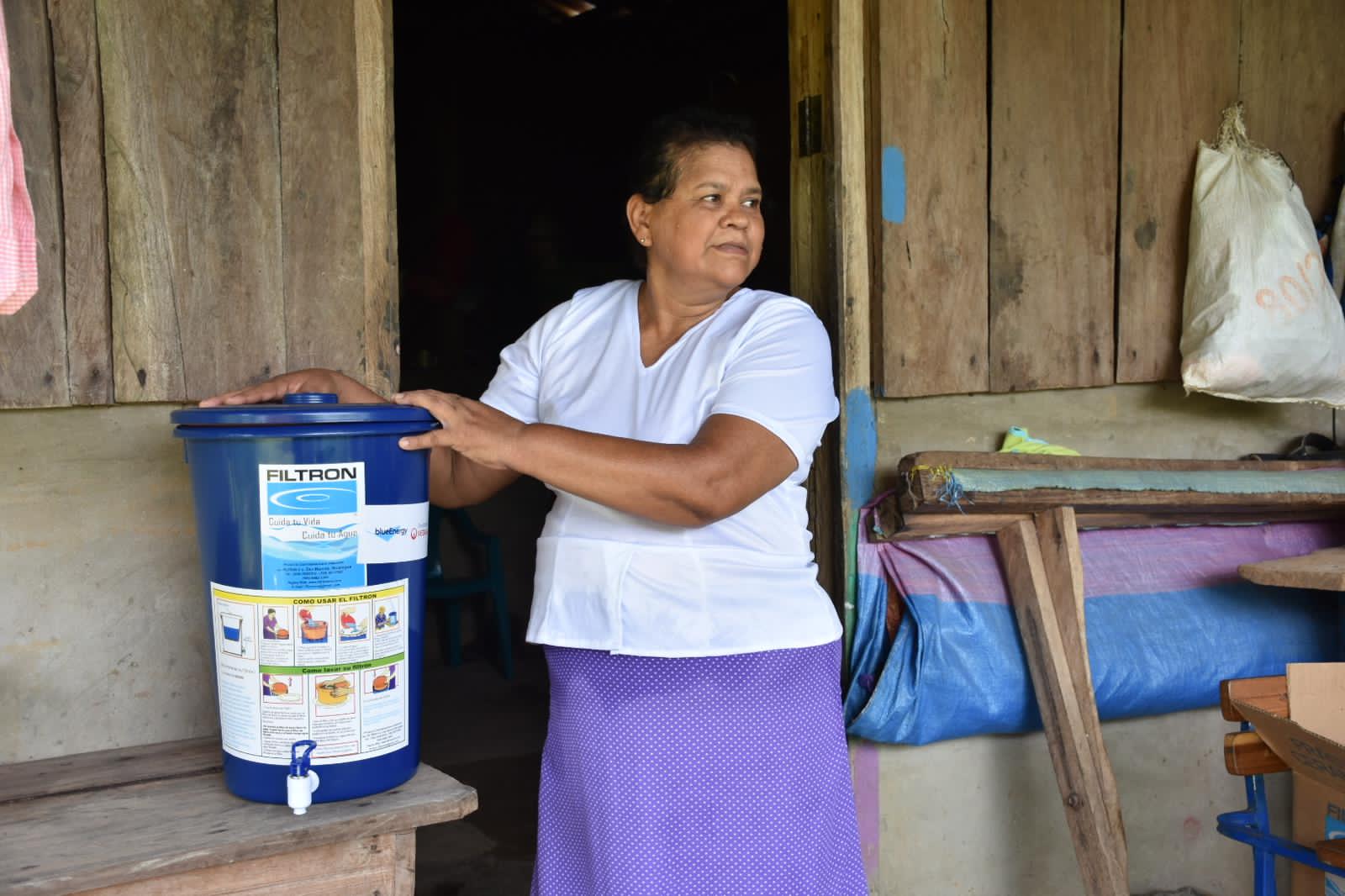
Water Filterons
Water Filterons
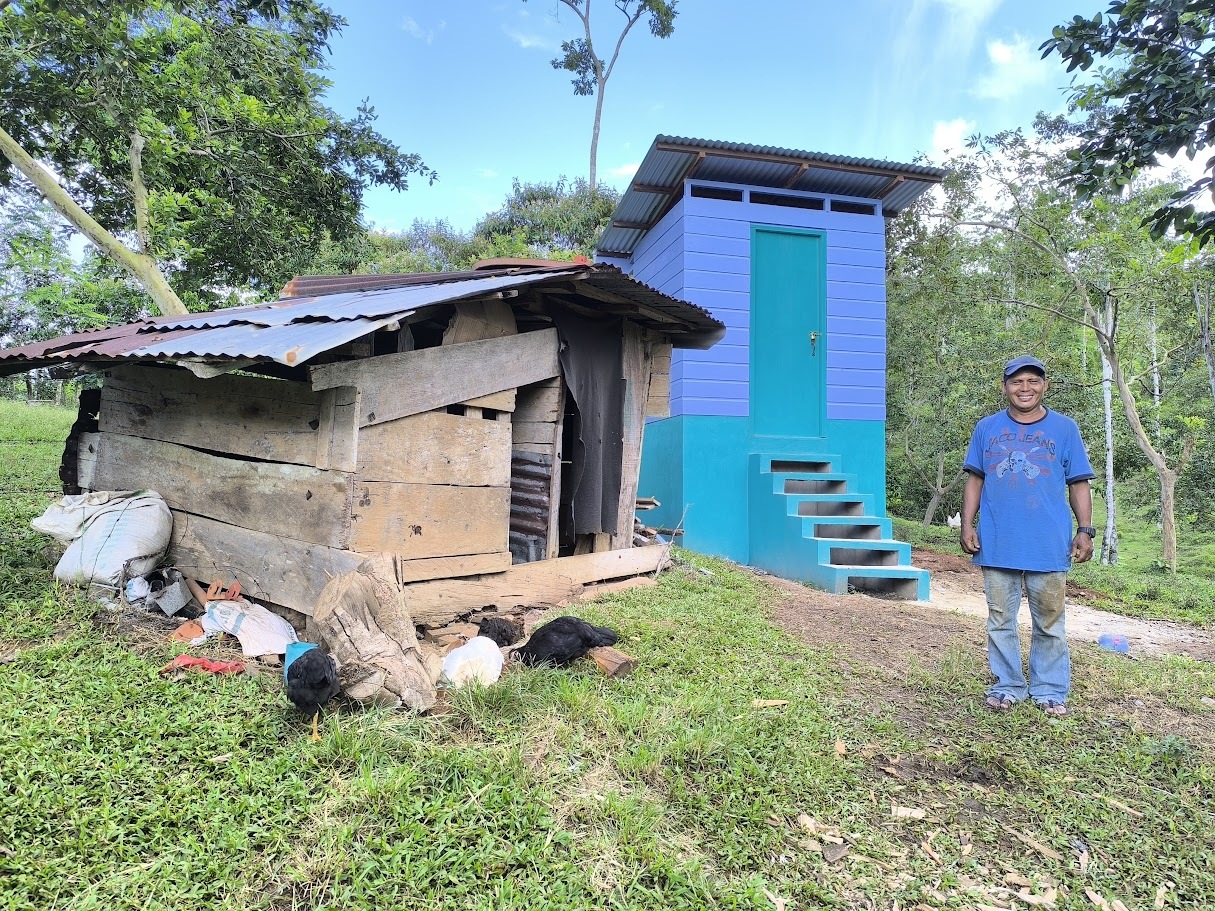
Eco-toilets
Eco-toilets
Biosand Filters
Biosand Filters
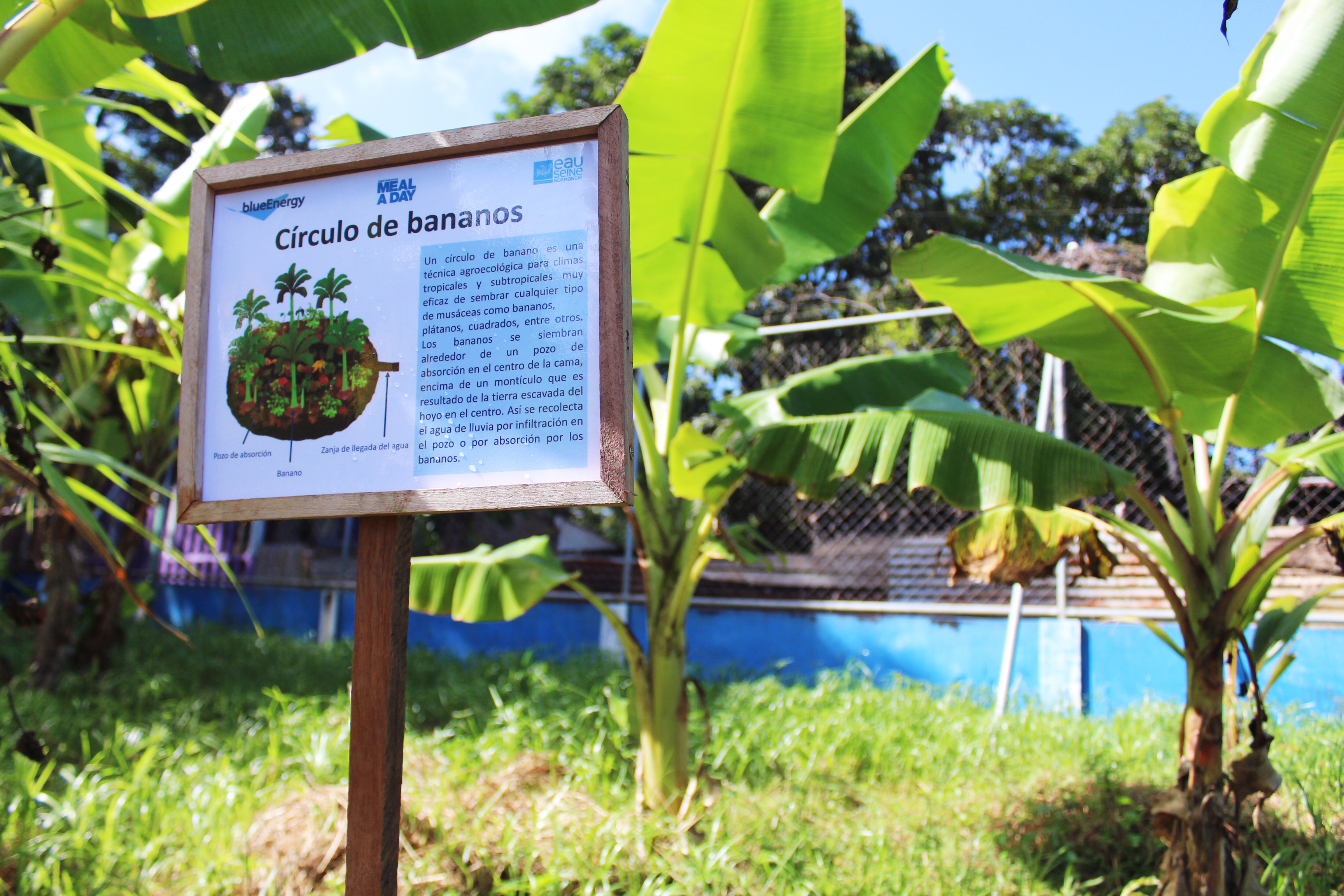
Banana Circles
Banana Circles
💧

Deep Wells

View details

How it works

Drilled between 18 and 50 meters, they reach reliable aquifers ensuring safe water availability. PVC pipes and manual rope pumps designed for durability are installed.

Impact

  • Permanent access to drinking water
  • Reduction of waterborne diseases
  • Decreased physical burden on women and children
  • Sustainable community management
View resource
🫙

Water Filterons

View details

How it works

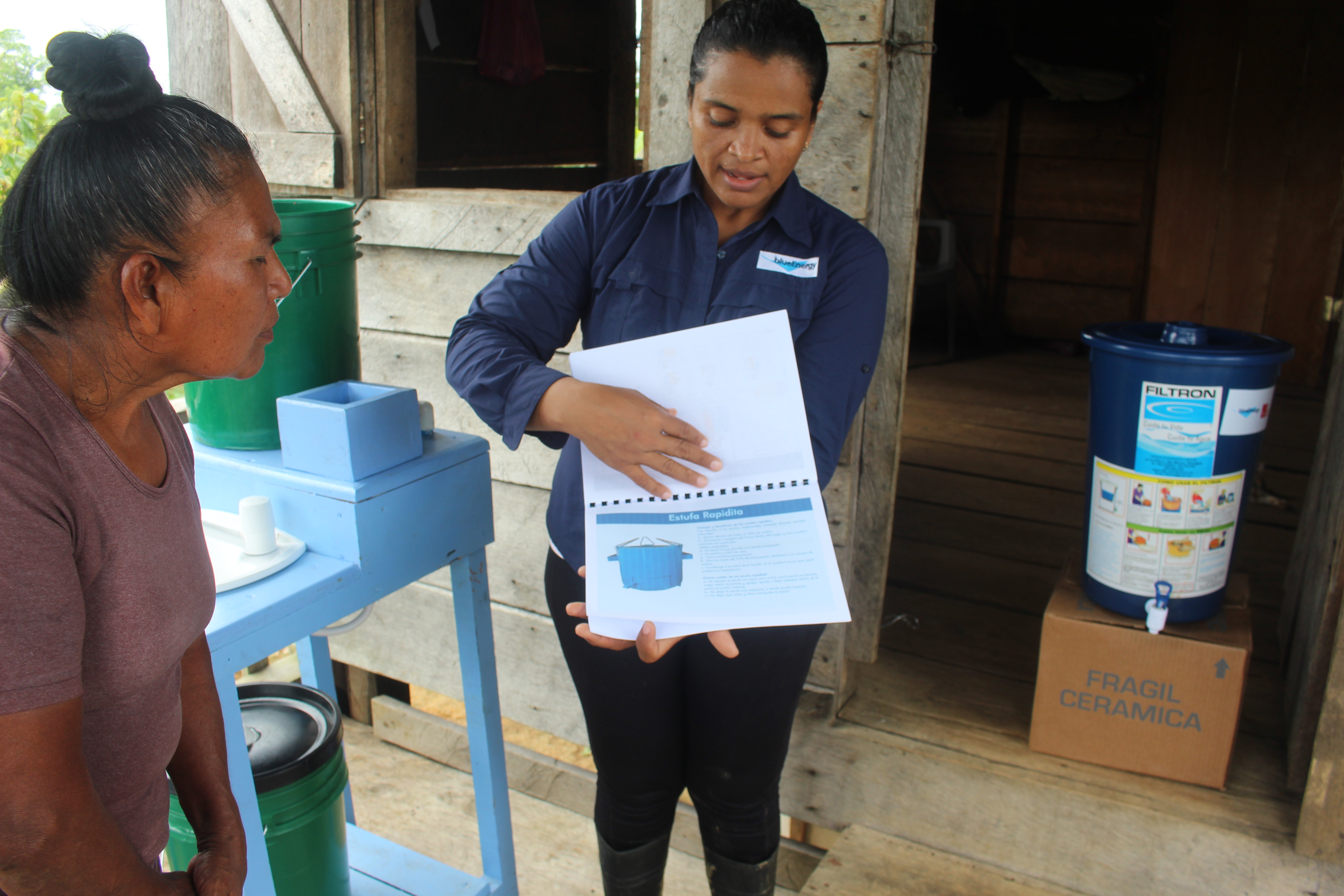
The Filtron Filter uses a porous ceramic element that removes bacteria, sediment, and parasites as water passes by gravity.

Impact

  • Significant reduction of pathogens
  • Immediate improvement of water quality
  • Strengthening of local productive capacities
  • Autonomous household access to safe water
View resource
🚻

Eco-toilets

View details

How it works

Integrated ecological latrines incorporate separate decomposition chambers, proper ventilation, and design adapted to the local context.

Impact

  • Protection of groundwater sources
  • Improvement in hygiene and privacy
  • Reduction of environmental pollution
  • Durable solution adapted to the territory
View resource
🧱

Biosand Filters

View details

How it works

They consist of a concrete container with layers of sand and gravel that remove impurities through physical filtration and a biological biolayer.

Impact

  • Sustained reduction of pathogens
  • Low-cost technology with a long service life
  • Community autonomy in water treatment
  • Proven improvement in public health
View resource
☀️

Solar Pumping

View details

How it works

Photovoltaic panels power pumps that extract water from wells or surface sources. The system operates without fuel and requires minimal maintenance.

Impact

  • Reliable and resilient water supply
  • Elimination of fuel costs
  • Reduction of emissions
  • Strengthening of local technical capacities
View resource
🧼

Handwashing Stations

View details

How it works

Infrastructure equipped with a water tank, soap dispenser, and proper drainage. Installed in schools and health centers.

Impact

  • Reduction of infectious diseases
  • Improved school attendance
  • Strengthening of hygiene culture
  • High-return public health intervention
View resource
🍌

Banana Circles

View details

How it works

Household water passes through a grease filter and then to a circular pit filled with organic material where bananas absorb water and nutrients.

Impact

  • Elimination of open-air greywater
  • Reduction of pollution sources
  • Constant food production
  • Safe water reuse
  • Improved family sanitation
View resource
☀️ Access to Renewable Energy

Clean Energy for Institutions, Homes, and Production

Energy solutions designed for off-grid contexts, oriented toward reducing costs, expanding opportunities, and strengthening energy autonomy with local capacities.

solutions.energy.collective.title
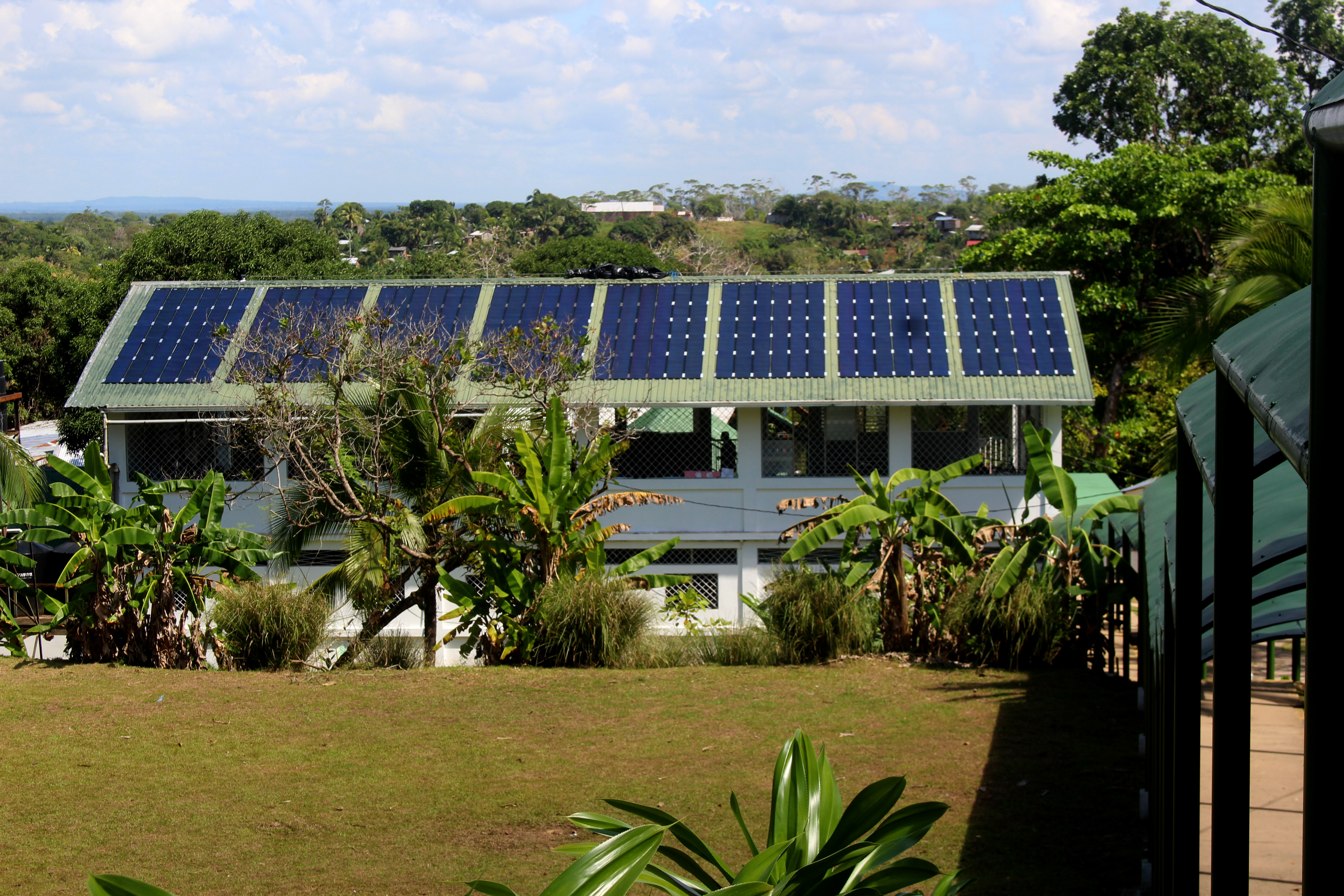
Community Collective Photovoltaic Systems

Stable Electricity, Fewer Emissions, and More Autonomy

Renewable systems implemented by blueEnergy strengthen essential services, improve daily life in rural homes, and reduce dependence on fossil fuels.

Individual Photovoltaic Systems
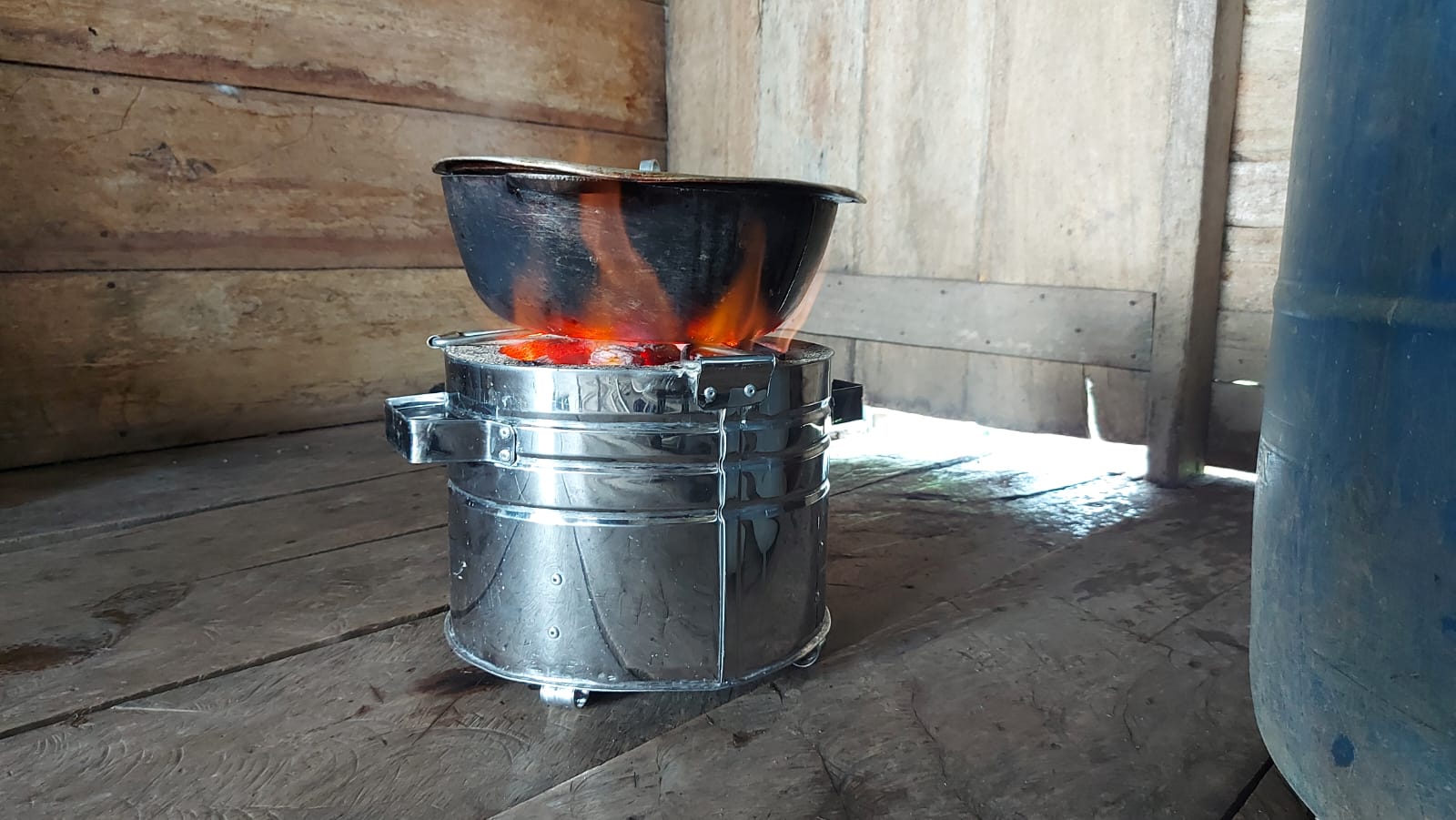
Improved Stoves
Improved Stoves
♻️
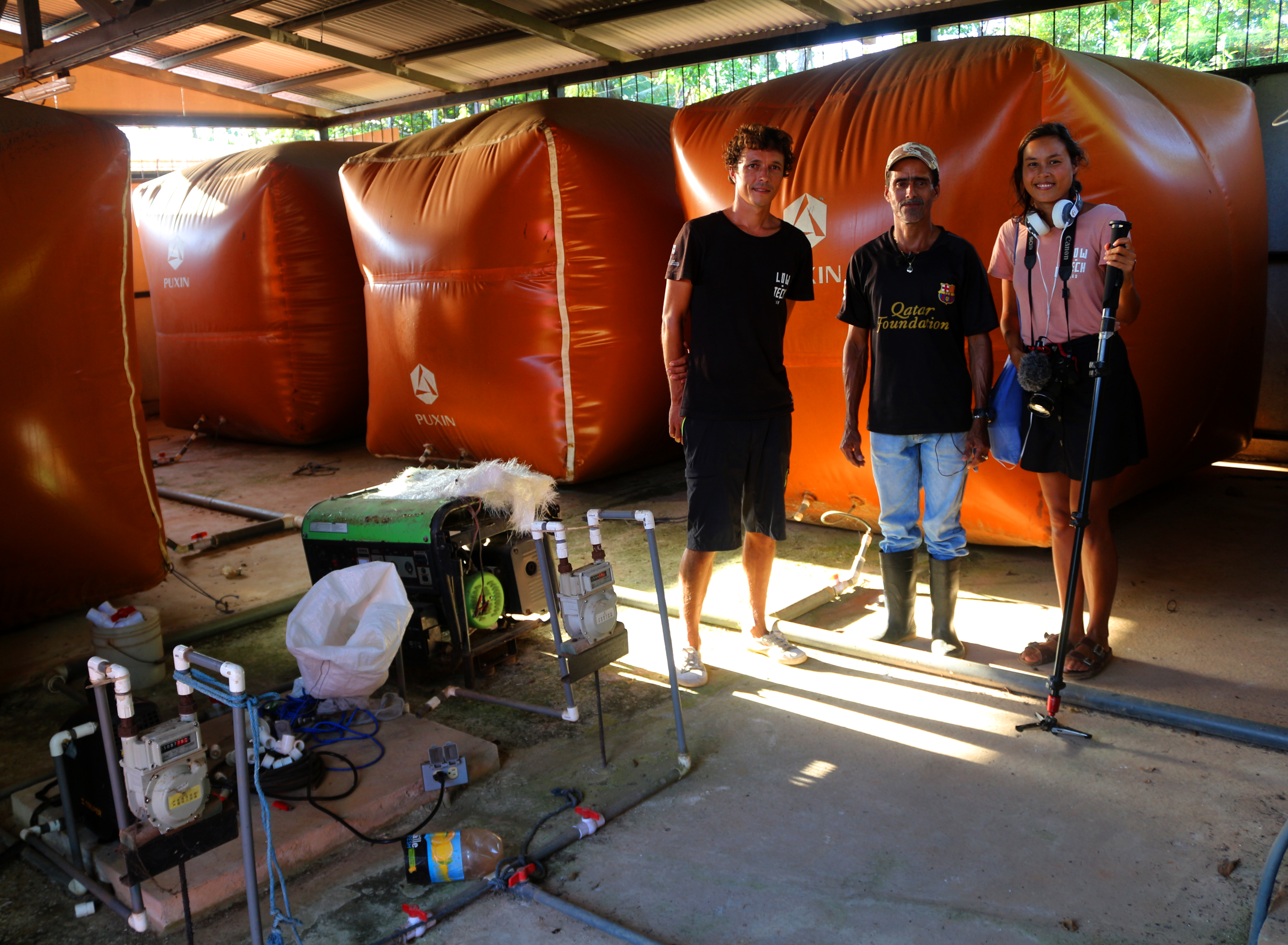
Biodigesters

Biogas and natural fertilizer from organic waste.

Improved Stoves · Video
🔋

Community Collective Photovoltaic Systems

View details

How it works

Solar panels generate electricity stored in batteries and distributed to lighting, medical equipment, and communication systems in public institutions.

Impact

  • Stable electricity for essential services
  • Elimination of fuel costs
  • Reduction of greenhouse gas emissions
  • Institutional energy independence
View resource
♻️

Biodigesters

View details

How it works

Organic waste is introduced into a closed chamber where anaerobic bacteria transform it into biogas and digestate for fertilizer.

Impact

  • Safe waste management
  • Renewable energy production
  • Reduction of methane emissions
  • Improved agricultural productivity
🏠

Individual Photovoltaic Systems

View details

How it works

Solar Home Systems integrate panels, batteries, and a controller to supply homes with continuous LED lighting and device charging.

Impact

  • Improvement in quality of life and safety
  • Replacement of kerosene and disposable batteries
  • Increased educational and economic opportunities
  • Energy access in off-grid areas
View resource
🔥

Improved Stoves

View details

How it works

A closed combustion chamber optimizes firewood use and directs smoke to an exterior chimney, reducing pollutants.

Impact

  • 50–70% less firewood consumption
  • Reduction of respiratory diseases
  • Less pressure on forests
  • Economic and time savings for families
View resource